Furniture Disposal in London

Furniture Disposal London provides a practical way to clear unwanted household and office furniture across the city, with a service shaped around items that are bulky, awkward to move or no longer fit the space. We deal with everyday pieces such as sofas, beds, wardrobes, tables, chairs and cabinets, and we also handle mixed furniture loads where several rooms need attention. The aim is simple: remove the items cleanly, keep the process straightforward and leave the property ready for its next use.
Our furniture disposal work suits tenants, landlords, homeowners, managing agents and businesses that need more than a standard bin collection. If a piece is too large for a lift, too heavy for the stairs or too awkward for a normal vehicle, the collection needs careful planning and the right equipment. We focus on safe removal, sensible sorting and a tidy finish, so the service works well whether you are clearing a single item or a fuller load of furnishings.
For a broader overview of related services, you can also look at our furniture clearance and house clearance pages. If you already know what needs removing, a short enquiry is enough to begin. Send the item list, access details and preferred timing, and we can prepare a quotation that reflects the work involved.
What our furniture removal covers
Furniture disposal is not just about loading items and driving away. Different pieces call for different handling, especially when there are stairways, tight corridors, fragile flooring or disassembly work involved. Sofas and armchairs may need two-person lifting; wardrobes and beds can require safe dismantling; and office items often need sorting so reusable materials and waste streams are kept separate. The service is designed to remove the right items efficiently while respecting the property they leave behind.
Our approach can cover a wide mix of domestic and commercial furniture, including items from bedrooms, lounges, dining rooms, storage areas and workspaces. Where relevant, we can also combine furniture removal with other waste services, so one visit can address a fuller clearance. Explore sofa removal if upholstered seating is the main issue, or mattress disposal when bed bases and mattresses need separate attention. If the load includes white goods as well as furniture, white goods recycle may also be useful.
When a job includes several item types, a simple list helps keep the quotation clear. Photographs are useful because they show quantity, size and access, but they are not the only way to request a price. If the furniture is still assembled, mention whether it can be moved whole or needs dismantling. If it is already outside, state that as well, because access conditions can influence how the work is organised.
Domestic furniture disposal for homes and flats

Households often need furniture removed after a room refresh, a move, a tenancy change or a simple decision to replace old pieces. The process can be especially useful in flats, maisonettes and shared homes where large items are difficult to move through communal spaces. We remove items from living rooms, bedrooms, spare rooms, loft storage and hallways, and we can help with both one-off items and fuller domestic clearances where several pieces are no longer wanted.
For more specific domestic needs, the service can sit alongside flat clearance, home clearance and loft clearance. Those pages are helpful when furniture disposal is part of a wider clear-out that includes boxed belongings, broken storage and mixed household waste. The work is often simpler when the household knows which items are staying, which are going and whether anything needs separating before the crew arrives.
Useful information for a quotation: the type of furniture, the number of floors involved, whether parking is nearby and whether the items are already bagged or grouped together. If access is straightforward, that can keep the collection efficient; if access is narrow or shared, it is better to say so in advance. A concise description is enough to start, and a clear quotation can then follow without unnecessary back-and-forth.
Commercial furniture collections for offices and premises
Workplaces often accumulate furniture that no longer suits the layout: desks, office chairs, filing cabinets, meeting tables, reception seating and storage units. Furniture disposal for commercial premises needs to be organised with care, because there may be desks in use nearby, customer areas to protect and loading arrangements to fit around trading hours. We focus on clearing the specified items with as little disruption as possible, while keeping the space orderly during removal.
Office-related work can be matched with office clearance, commercial waste collection and business waste removal where furniture forms part of a larger operational clearance. That can be useful during refits, relocations, downsizing or workspace reorganisation. Where multiple rooms are affected, it often helps to separate furniture items from paper waste, electrical equipment and general rubbish before the quotation is confirmed.
The most useful details for business collections are the number of floors, lift access, loading restrictions and any preferred time window. Let us know if items must be taken from occupied areas, because that can affect the order in which the work is completed. If there are reception desks or large meeting tables to move, say whether they are assembled or already broken down, as that determines the handling method and any equipment needed.
Bulky items, dismantling and careful handling
Some furniture can be taken away as it stands, but other pieces need to be taken apart first. Wardrobes, bed frames, modular shelving and certain office units often move more safely once they have been dismantled into manageable sections. That is not a complication in itself; it is simply part of getting bulky items out of the property without causing damage to walls, floors or doors. Good planning matters more than speed, especially in narrow homes and older buildings.
When you are deciding what to include in a collection, it can help to think about the item’s size, weight and route out of the property. A large wardrobe in a top-floor flat may be more demanding than several small chairs on the ground floor, even if the total volume is similar. For single large items, large item collection gives a useful route to the right service. If the job is mainly seating, sofa removal and collection may be the clearest match.
The quotation is usually easier to prepare when the customer states whether dismantling is needed and whether the item can be carried through the building whole. If screws, fittings or loose shelves are already available, mention that too. This does not make the job harder to request; it simply gives a more accurate picture of the work involved. The better the description, the more closely the price can reflect the actual collection.
How collections are organised
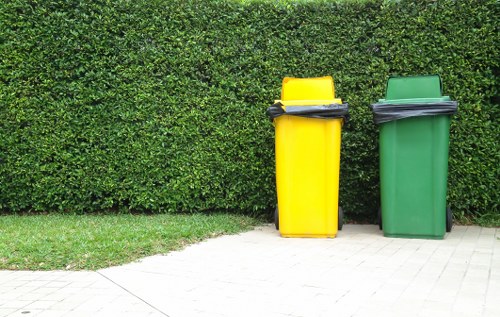
Furniture disposal jobs tend to run more smoothly when the items are grouped before collection day. That does not mean everything has to be moved to the kerb; it simply means the crew knows what is going and where it is located. In many cases, the service can be organised around rooms, floors or item categories. This is especially helpful where there are mixed loads, such as a sofa in the lounge, a bed upstairs and a cabinet in a garage or shed.
If you are comparing related services, the pages for furniture removal and collection, rubbish removal and waste disposal can help you see how furniture sits within wider clearance work. These pages are useful when furniture is only one part of the job and the rest includes packaging, broken household items or general clutter. A single collection can often be planned more efficiently when the load is described clearly from the outset.
Some customers prefer to keep a few items back for resale, storage or charity collection. That is best decided before the quotation is finalised, because item counts affect the scale of the work. If there are fragile mirrors, glass-fronted cabinets or furniture with sharp edges, say so early. The collection can then be planned around protective handling rather than improvised on arrival.
Furniture disposal and recycling choices
Not every unwanted item has the same destination, and a good furniture disposal service should distinguish between items suitable for recycling, items for reuse where appropriate and items that must be treated as waste. Material type matters: wood, metal, upholstery and mixed components are not processed in the same way. The practical result for customers is a service that sorts the load responsibly rather than treating every object as identical.
For customers who are interested in the wider environmental route, our recycling and sustainability and waste recycling pages provide related context. They sit alongside furniture disposal because they explain what happens to mixed materials after collection. Where a customer’s load includes reusable furniture, broken units and mixed waste, the quotation should reflect the full picture rather than only the headline item type.
It is sensible to separate any personal contents from the furniture before the visit. Drawers, cushions, loose shelves and paperwork are easy to overlook, especially during a quick room clear-out. If a piece contains hidden items, that can delay the work and create avoidable complications. A short review beforehand usually keeps the collection more efficient and reduces the chance of items being left behind by mistake.
Pricing factors and quotation details
Furniture disposal prices are generally shaped by practical factors rather than a single fixed rule. Item count, weight, access, floor level, dismantling, parking conditions and the amount of handling required all influence the effort involved. A straightforward ground-floor sofa collection is different from a full flat load that includes beds, wardrobes and cabinets from several rooms. The best quotation reflects those details clearly and avoids assumptions.
If you would like to compare pricing-related pages, visit pricing and quotes or review contact us when you are ready to request a figure. A useful enquiry normally includes the item list, property type, access information and any deadlines connected with moving day, refurbishment or tenancy handover. Photos can help, but they are best treated as supporting information rather than a replacement for a basic description.
For larger loads, grouping items by room can make the quotation easier to understand. A lounge set, bedroom set and office items may each create different handling needs, yet they can still be taken in one visit if the arrangements suit the property. If you are unsure which page best matches your load, simply describe the furniture in plain terms and ask for a quotation based on the whole collection.
About London
London is a large, historically layered city shaped by the River Thames, a wide network of streets, rail lines and neighbourhoods that have expanded over many centuries. Its identity is built from a combination of the City of London, the wider Inner and Outer boroughs, and a mix of districts that grew from villages, market towns, docklands, estates and industrial areas. The result is a city where medieval street patterns, Georgian terraces, Victorian civic buildings and modern towers often appear within the same journey. Landmarks such as the Palace of Westminster, the Tower of London, St Paul’s Cathedral and the South Bank show different periods of growth, while the parks and open spaces, including Hyde Park, Regent’s Park and Greenwich Park, provide a contrasting sense of scale and respite. The Thames remains one of the most important threads running through the capital, with bridges, embankments, docks and riverside walks linking north and south in a way that still shapes movement and daily life. Cultural life is similarly varied, with theatres, galleries, music venues, museums and markets spread across areas as different as the West End, Southwark, Camden, Shoreditch and Kensington. Transport is another defining feature: the Underground, Overground, mainline rail, buses, river services and cycle routes all contribute to a city that is closely connected yet locally distinct. Even within a single borough, streets can shift from busy commercial corridors to quiet residential squares, giving London a character that is both expansive and deeply neighbourhood-based.
Practical support for different furniture types

Different furniture categories bring different handling questions, and matching the collection to the item type helps avoid wasted time. Sofas may need protective manoeuvring through doorways, bed frames may need careful dismantling, and cabinets may require checking for glass panels or fixed shelves. The same applies to mixed household items, where a furniture load may sit alongside a mattress, small appliances or loose rubbish. Clear item identification helps the service remain tidy and controlled.
Where bedroom furniture is the main issue, bed disposal and mattress removal and collection are useful related pages. If seating is the focus, sofa removal and collection may be the clearest fit, while furniture clearance works well when you are clearing more than one type of item from the same property. Choosing the closest match helps the quotation reflect the true mix of work.
If you are arranging a collection, mention whether any items have already been moved to the entrance or whether they are still in rooms upstairs or in storage spaces. That simple detail makes a difference to planning. It is also worth saying whether the furniture has been damaged, damp or partially broken, because unstable items can be harder to lift safely than intact ones.
Choosing the right service level
Some customers need a single-item collection; others need a larger clearance that includes several rooms. The right service level depends on the amount of furniture, the complexity of access and whether the work is part of a move, refurbishment or end-of-tenancy handover. A focused collection is usually best when only a few bulky items are leaving. A broader clearance is more suitable when the furniture is mixed with other waste or storage contents.
If your project involves a garage, loft or outbuilding, the relevant pages such as garage clearance, house clearance and property clearance may be worth reviewing. These services can be helpful when the furniture is only one part of a wider organising task. The key is to describe the actual contents honestly, so the quotation matches the work rather than a simplified assumption.
Final step: request a quotation when you have the item list and access details ready. If you prefer, you can note the rooms involved, the furniture type and the collection address in your own words. That is often all that is needed for a practical estimate, especially when the load is straightforward and the access is clear.
Request a quotation

When you are ready to move ahead, request a quotation for furniture disposal in London with a short description of the items you need removed. Include the number of pieces, whether any dismantling is required, and whether the furniture is on the ground floor, upstairs or in a basement or loft. Those simple details help us prepare a price that reflects the actual collection rather than a generic guess.
For customers planning a fuller clear-out, related services such as waste clearance, rubbish clearance and bulk waste collection can provide a useful comparison point. They are especially relevant when furniture is being removed together with general household or business waste. The best starting point is still a plain description of what you want removed, because that is what allows the quotation to be matched to the job.
If you would like to proceed, send the details and ask for a quote today. We will use the information you provide to assess the furniture, the access and the scope, then respond with the appropriate next step. Ask for your quotation now and keep the process simple from the start.