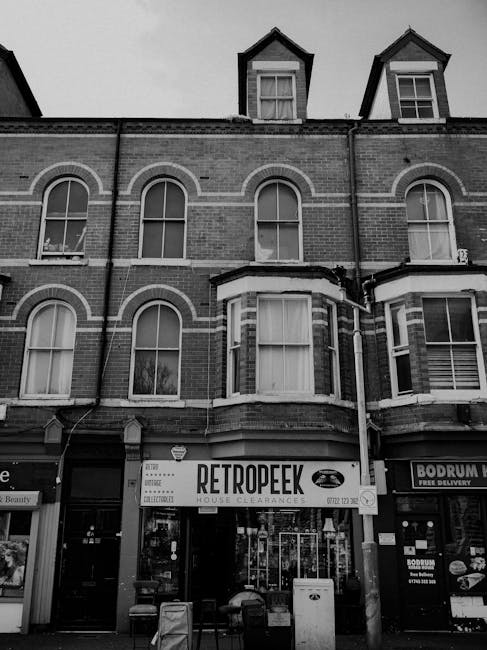
Brixton flat clearance case: clutter to sale-ready outcome

If you are staring at a Brixton flat that feels one step away from chaos, you are not alone. The jump from cluttered rooms, overloaded cupboards, and awkward furniture to a clean, sale-ready space can feel bigger than it should. This Brixton flat clearance case: clutter to sale-ready outcome guide breaks down what that transformation actually looks like, why it matters, and how to approach it without making the whole thing feel like a military operation. Truth be told, most flats do not need perfection. They need order, space, and a clear path for buyers to imagine living there.
In a busy London market, presentation matters. Not in a glossy, unrealistic way, but in a practical sense: rooms should breathe, walkways should be open, and the flat should feel cared for rather than crowded. Whether the property is being sold after a move, a tenancy change, a family situation, or a long period of accumulation, the right clearance approach can make the difference between "we'll think about it" and "let's book a viewing."
Below, you will find a step-by-step breakdown, a comparison of practical clearance methods, a checklist, and a realistic example of how clutter becomes sale-ready. No fluff. Just the kind of guidance that actually helps when you are in the middle of it.
Why Brixton flat clearance case: clutter to sale-ready outcome Matters
A sale-ready flat does more than look tidy. It gives the property a sense of scale. That matters especially in Brixton, where many flats are compact, characterful, and full of awkward corners that can feel even smaller when packed with belongings. A buyer walking into a crowded living room often sees lost floor space, not potential. They see work, not opportunity.
There is also a timing issue. A flat sale can stall simply because there is too much in the way. Beds, old sofas, spare appliances, stacked boxes, broken chairs, and those mysterious items that somehow accumulate in a corner can all slow down photos, viewings, and snagging work. A cluttered property also tends to make light feel weaker. You notice it straight away on a dull afternoon when the windows are half blocked and the rooms look tired. Not ideal.
The bigger picture is this: clearance is not only about removal. It is about preparing a property so estate agents, surveyors, buyers, and even cleaners can do their jobs properly. If you get the clearance right, every later stage becomes simpler. If you get it wrong, everything tends to drag.
Expert summary: A Brixton flat clearance done well is really a property preparation project. The aim is not to empty the flat for the sake of it, but to remove friction, open up space, and present a home that feels easy to walk through, photograph, and buy.
That is why this kind of clearance matters. It protects momentum. And in property work, momentum is everything.
How Brixton flat clearance case: clutter to sale-ready outcome Works
The process usually starts with a walkthrough. Someone needs to see what is staying, what is going, and what may need special handling. In a normal Brixton flat, the work is often split between furniture, mixed household items, white goods, bagged waste, and anything stored in lofts, cupboards, or balconies. The clearer the plan at the start, the fewer surprises later. Simple enough, but people rush this part all the time.
Once the items are assessed, the clearance is usually carried out in stages. Heavier items come out first, then general clutter, then smaller loose items, and finally the sweep-up. If there are bulky objects like wardrobes, mattresses, or broken sofas, they are handled separately because they take more time and space. If there is a lot of mixed waste, it may need sorting so anything recyclable can be separated from general rubbish. That makes the end result cleaner and often more responsible.
After removal, the property is checked again. This second look is where the sale-ready effect really becomes visible. Floors can be seen. Natural light comes back. A hallway suddenly feels wider. Even the smell changes a little, which sounds minor until you have stood in a flat that has been closed up for weeks. One of those tiny but telling moments.
In practice, the best results come from treating clearance as part of the sale plan, not as an afterthought. If you wait until the last minute, you end up fighting the viewing calendar. If you plan early, the whole property moves forward in a calmer, more controlled way. And let's face it, calmer is easier to sell.
Key Benefits and Practical Advantages
There are several reasons a well-managed flat clearance can change the outcome of a sale. The obvious one is appearance, but there is more to it than first impressions.
- Better room presentation: Buyers can understand the layout without distraction.
- Improved photography: Estate agent photos tend to work better when rooms are open and uncluttered.
- Faster preparation: A clear property can move more quickly into cleaning, repairs, and viewings.
- Reduced stress: A structured plan stops the job from becoming emotionally and physically draining.
- Safer access: Fewer obstacles mean less trip risk for workers, agents, and visitors.
- More realistic pricing discussions: A better-presented flat often supports a stronger marketing story, even if the price itself depends on many other factors.
There is also a quiet benefit that people underestimate: decision relief. Clutter makes every choice feel heavier. Keep it? Store it? Move it? Sell it? Donate it? Bin it? Once the obvious items are removed, the rest gets easier. You can think again. That sounds small, but it is often the turning point.
For landlords and sellers, another practical advantage is speed between tenants or after a sale agreement. If a flat has been left with unwanted furniture or mixed waste, the right clearance approach can help reset the space with less back-and-forth. For family members dealing with a home that has been lived in for years, it can also create some emotional breathing room. That matters, especially in sensitive situations.
Who This Is For and When It Makes Sense
This kind of clearance is useful for a wide range of people. It is not only for deeply cluttered homes, though hoarder-style situations do need more careful handling. In Brixton, it often suits people who need to prepare a flat for sale after a move, tenancy change, probate matter, downsizing project, or long-term decluttering effort.
It also makes sense if you are:
- an owner who wants to present the property before listing it;
- a landlord needing to turn around a rental quickly;
- a family member dealing with an inherited flat;
- a buyer who inherited furniture or old contents with the purchase;
- an agent trying to get a property to market without delay;
- someone who simply cannot face lifting a sofa down three flights of stairs on a Sunday morning. Fair enough.
You should think about it early if the flat is small, has limited storage, or contains a mix of old and unwanted items. Those are the situations where clutter has the biggest visual impact. A one-bedroom flat can look twice the size once unnecessary pieces are gone. That is not magic. It is just space doing what space does.
Sometimes the decision is emotional as much as practical. A room may still feel "full of life" to the person who lived there. That is understandable. But buyers need neutrality. They need to imagine their own routines, not someone else's. That is why a Brixton flat clearance case often works best when the goal is set clearly: not to erase the home, but to make it ready for the next chapter.
Step-by-Step Guidance
Here is a practical way to approach the job without getting overwhelmed.
- Walk the flat and identify priorities. Start with the rooms that affect saleability most: hallway, living room, kitchen, and main bedroom. These are usually the spaces buyers notice first.
- Separate what stays from what goes. Use simple categories such as keep, remove, recycle, donate, and dispose. If you have to think too hard, keep moving and come back later.
- Pull out large items first. Bulky furniture, mattresses, broken storage units, and white goods take up space fast. Clearing them first makes everything else easier.
- Sort mixed contents. Box up loose items, paperwork, kitchenware, ornaments, and small household goods so the flat can be handled in a structured way.
- Deal with waste responsibly. Separate recyclable material where possible. If there are electrical items, old appliances, or awkward heavy waste, handle them with the right service.
- Clear hidden spaces. Cupboards, under-bed storage, loft cupboards, and balcony corners often hold the biggest surprises. You know the sort of thing: half a lamp, two old chargers, and a box of unknown cables.
- Do a final sweep. Once the main removal is done, check for dust, loose debris, broken hangers, and anything left behind that could spoil the sale-ready look.
- Follow with cleaning and small touch-ups. A cleared flat is easier to clean, repair, photograph, and show.
If you want the job to stay manageable, work room by room. Do not bounce around the flat chasing the easiest items first. That is a common trap. It feels productive, but it usually creates more mess before it creates order.
A useful rule of thumb is this: remove what blocks access, then remove what blocks appearance, then remove what blocks decision-making. That sequence keeps the job sensible.
Expert Tips for Better Results
In our experience, a good clearance is rarely about speed alone. It is about sequence, restraint, and a little discipline. The people who get the best results usually avoid trying to do everything in one sweep.
Tip one: photograph rooms before you start. Even if you do not think you need a record, it helps to have a reference for what was in the property and what was removed. It can also settle disagreements later. A surprisingly useful habit.
Tip two: keep a clear path from each room to the exit. It sounds obvious, but crowded flats can become awkward fast. A clear route reduces handling time and lowers the chance of damage to walls, doors, and floors.
Tip three: think about viewing angles. The first thing a buyer sees is not always the whole room. It is the doorway view, the line from the hall, or the angle from the window. Clear those sightlines first and the flat often improves straight away.
Tip four: do not over-sort everything if time is tight. For sale preparation, perfection is not the goal. A practical, well-ordered clear-out is usually better than a slow, obsessive one that misses the window for marketing.
Tip five: if sentimental items are involved, set them aside in a separate box rather than making decisions in the middle of the clear-out. Emotional decisions are much easier when you are not standing in a dusty living room with a deadline breathing down your neck.
One more thing: if a flat has hidden issues like damp, heavy staining, or signs of pests, deal with those separately and carefully. Clearance alone does not solve underlying property problems, but it can reveal them early enough for the next steps to be planned properly. That is better than discovering them after the estate agent's photographs are already live.
Common Mistakes to Avoid
Most clearance delays come from avoidable mistakes, and a few of them are incredibly common.
- Leaving the hard items until last: Sofas, beds, and appliances often need the most effort. If they stay in the flat too long, the whole job can drag.
- Skipping the hidden storage: Cupboards and under-bed areas are easy to overlook and can still make a flat feel cluttered.
- Mixing keep and remove piles: Once categories blur, mistakes creep in. That is when things go missing or get moved three times for no reason.
- Assuming all waste can go together: Mixed items often need sorting, especially where recycling or electrical disposal is involved.
- Ignoring access issues: Narrow stairwells, shared entrances, parking restrictions, and lift access can all affect timing.
- Trying to sell around clutter: Some owners hope buyers will "see past it." Sometimes they do. Often they do not.
- Underestimating emotional fatigue: Clearing a lived-in flat can be tiring in a way that is hard to explain until you are doing it.
There is also a money mistake people make: paying for the wrong level of service. If you only need a straightforward flat clearance, you do not need a full property overhaul. If the place is more complex, though, a basic rubbish pickup may be too limited. Matching the service to the actual state of the flat is the sensible move.
Tools, Resources and Recommendations
You do not need specialist equipment for every clearance, but a few practical tools make the process smoother.
- Strong boxes and bags: for loose items, paperwork, textiles, and mixed small goods;
- Labels or tape: to mark keep, remove, recycle, and donate piles;
- Gloves and sturdy footwear: especially where broken items or sharp edges may be present;
- Dust sheets or old covers: useful if you are moving items through rooms that still need protection;
- A phone camera: for before-and-after records and decision support;
- Basic cleaning supplies: once the large items are gone, a quick clean makes the flat feel much closer to sale-ready.
For heavier or bulkier jobs, a professional service can save a lot of time. Pages such as flat clearance, furniture disposal, and rubbish removal are useful starting points if you are comparing the type of help that might fit the property. If the flat contains a lot of bulky items, it may also be worth looking at bulky waste collection or large item collection.
For related property situations, services such as house clearance, probate clearance, and home clearance can be relevant depending on the scale and context. And if the flat is near the point of sale but still crowded with old furniture, furniture clearance may be the more direct option.
Law, Compliance, Standards, or Best Practice
When clearance is tied to a sale, there are a few practical compliance points to keep in mind. Without getting legalistic, the main principle is simple: waste should be handled responsibly, access should be managed safely, and any service provider should be able to explain how items are removed and processed.
In the UK, it is generally best practice to use a properly insured, safety-conscious clearance company for mixed waste and bulky items. That matters because furniture, appliances, and general rubbish may need sorting, lifting, carrying, and disposal in a way that reduces risk to people and property. If work involves shared hallways or common access in a Brixton block, you also want to minimise disturbance and keep the route tidy. Neighbours notice. Fast.
If the flat contains electrical appliances, fridges, mattresses, or other specialist items, they should be handled through the appropriate disposal route rather than simply treated like general rubbish. The same applies to anything that could create a hygiene or safety issue. Best practice is not flashy, but it protects everyone involved.
Recycling and sustainability also matter. A good clearance should not treat every item the same way. Reusable pieces, recyclable materials, and general waste are not identical, and a responsible process will reflect that. If you want to know more about the wider approach to materials handling, recycling and sustainability and waste recycling are relevant topics on the site.
If you are choosing a provider, it is sensible to review their health and safety policy, insurance and safety, and pricing and quotes information before proceeding. That is not overcautious. It is just good practice.
Options, Methods, or Comparison Table
There are usually three ways people tackle a Brixton flat clearance before sale: do it themselves, use council collection routes where suitable, or hire a specialist clearance service. Each has a place. The best option depends on time, volume, access, and how quickly the flat needs to be ready.
| Method | Best for | Strengths | Limitations |
|---|---|---|---|
| DIY clearance | Small amounts of waste, light decluttering, flexible timelines | Low direct cost, full control | Time-consuming, physically demanding, easy to underestimate the work |
| Council collection route | Selected bulky items or rubbish where permitted | Useful for certain items, familiar public route | May involve waiting, limits, or restrictions on item types and timing |
| Specialist flat clearance | Sale preparation, mixed contents, bulky furniture, urgent deadlines | Fast, structured, suited to tight access and larger loads | Usually higher upfront cost than DIY |
For many sale-ready projects, specialist clearance is the middle path that actually saves time overall. Yes, you pay for the service. But you often gain speed, fewer headaches, and a better property presentation. That combination can be worth a lot more than it sounds on paper.
If the job is mainly furniture-heavy, a focused service such as furniture removal and collection may suit. If the flat contains a wide spread of mixed rubbish as well, more general services like waste clearance or property clearance can make more sense.
Case Study or Real-World Example
Here is a realistic example, based on the kind of flat clearance that comes up often in Brixton.
A two-bedroom flat had been used as a long-term home, then partially emptied after a move. One bedroom still held a bed frame, boxed clothes, bags of papers, and an old chest of drawers. The living room had a sofa, two side tables, a damaged coffee table, and several loose items on the floor. The kitchen was crowded with unwanted small appliances, duplicate crockery, and mixed bagged rubbish. Nothing shocking, just the usual slow build-up that makes a property feel smaller than it is.
The first pass focused on removing the obvious large items and opening walkways. After that, the remaining contents were sorted into keep, remove, and recycle groups. The difference was immediate. The hallway stopped feeling like a storage corridor. The main room picked up more daylight. Even the estate agent's first reaction changed from "we need to sort this" to "we can market this." That shift matters.
After clearance, the flat was cleaned and lightly staged. A few remaining items were removed from sight, and the rooms were left simple rather than bare. Buyers do not need a show home. They need a believable home. Once the clutter was gone, the flat finally looked like a place someone could picture themselves living in. The whole thing moved from stressful to manageable. Not glamorous, but very effective.
That is the heart of the Brixton flat clearance case: clutter to sale-ready outcome idea. You are not chasing perfection. You are removing the noise so the property can speak for itself.
Practical Checklist
Use this checklist to keep the job moving in the right order.
- Walk through every room and identify what must go.
- Decide which items are staying, donating, recycling, or disposing.
- Measure access points if there are large items or narrow stairways.
- Set aside paperwork, valuables, and sentimental items first.
- Clear large furniture before dealing with smaller clutter.
- Separate electrical items, mattresses, and appliances if they need special handling.
- Check cupboards, loft storage, under beds, and balconies.
- Keep an exit route open at all times.
- Arrange cleaning after the main clearance is complete.
- Take final photos so you can see the sale-ready difference clearly.
If you are short on time, focus on the rooms that shape first impressions: hallway, living room, kitchen, and main bedroom. That sequence gives the highest visual return. Not every item needs a deep debate.
And if the flat feels overwhelming, pause for five minutes, have a cup of tea, and start again with one corner. Honestly, that helps more than people admit.
Get a free quote today and see how much you can save.
Conclusion
A Brixton flat clearance case: clutter to sale-ready outcome is really about turning a difficult space into a marketable one without wasting energy on the wrong tasks. The process works best when it is planned, practical, and focused on presentation as well as removal. Clear the bulk, open the rooms, respect the waste-handling basics, and the property starts to feel ready for the next owner almost immediately.
If you are preparing a flat for sale, the smartest move is to treat clearance as part of the sales process, not something separate from it. That mindset keeps the work focused and usually gets you to the finish line faster. One clean, open room can change the whole feel of a flat. Sometimes that is all it takes.
And once the clutter is gone, there is a proper sense of relief in the air. The place can breathe again. So can you.
Frequently Asked Questions
What does Brixton flat clearance for a sale-ready outcome actually involve?
It usually means removing unwanted furniture, clutter, and waste so the flat can be cleaned, photographed, and shown to buyers in a more appealing condition. The goal is presentation as much as emptiness.
How long does a flat clearance usually take?
That depends on size, access, and how much needs to go. A lightly cluttered flat can move quickly, while a packed or multi-room property may take longer. The more sorting that is needed, the longer it tends to run.
Can I do the clearance myself?
Yes, if the volume is small and you have the time, transport, and lifting capacity. But if there are bulky items, stairs, or a tight deadline, a professional service is often far less stressful.
What should I remove first in a sale preparation clear-out?
Start with anything that blocks movement or dominates the room: large furniture, excess bags, broken items, and clutter in visible walkways. That gives the quickest improvement in how the property feels.
Is it better to clear the whole flat before cleaning?
Usually, yes. Cleaning is easier once the large items and loose clutter are gone. If you clean too early, you often have to do parts of it again after moving things out. Nobody wants that twice.
What if the flat contains a mix of rubbish and reusable furniture?
That is common. A sensible clearance plan will separate reusable, recyclable, and general waste so the job is handled properly and the flat is left ready for the next stage.
Do I need a clearance service if the flat is only slightly cluttered?
Not always. Small jobs can often be handled manually. The decision usually comes down to how much time you have, whether you can transport items safely, and how quickly the property needs to be sale-ready.
How do I make a small Brixton flat look bigger before viewings?
Remove bulky items, clear floors, open window lines, reduce visual noise on surfaces, and keep storage areas tidy. Even a modest flat can feel significantly more spacious when the layout is easy to see.
What items need special handling during clearance?
Common examples include mattresses, fridges, freezers, electrical items, and some heavy or awkward furniture. These items often need more careful disposal than general household rubbish.
Will a flat clearance help with selling price?
It can improve buyer perception, photography, and viewing quality, which may support the sale process. It does not guarantee a price outcome, but it can strengthen the property's presentation, which matters more than people sometimes think.
What should I check before hiring someone for the job?
Look at whether they explain their process clearly, whether they appear safety-conscious, how they handle different item types, and whether their pricing is transparent. Clarity at the start saves hassle later.
What if I am dealing with a sensitive situation, like probate or a family move?
Take your time with the decisions that matter, especially sentimental items and paperwork. In those cases, a calm, structured approach is often the best way to keep things moving without adding unnecessary pressure.