Health & Safety Policy for Furniture Disposal London
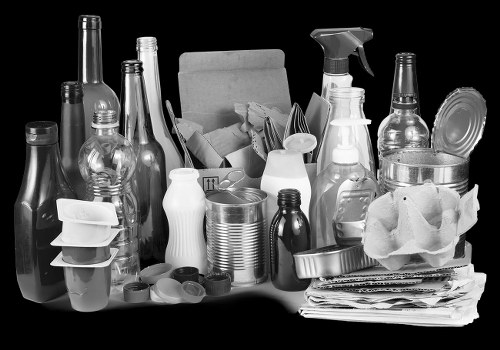 Purpose: This policy sets out the commitment of our furniture disposal operations to provide a safe working environment for employees, contractors and the general public. Our approach to Furniture Disposal London and related waste removal activities focuses on risk reduction, clear responsibilities and continual improvement. The policy applies to all aspects of furniture collection, transportation, temporary storage and final disposal or recycling. It aligns operational practice with accepted safety principles without concentrating on specific legalities or jurisdictional detail.
Scope and principles: The policy covers domestic and commercial furniture removal, clearance of bulky items, and recycling activities commonly referred to as furniture removal in London. We promote avoidance of unnecessary handling, segregation of materials for reuse and recycling, and the use of appropriate equipment. Everyone involved must understand the importance of safe manual handling, mechanical aids, and protective equipment to prevent injury and environmental harm.
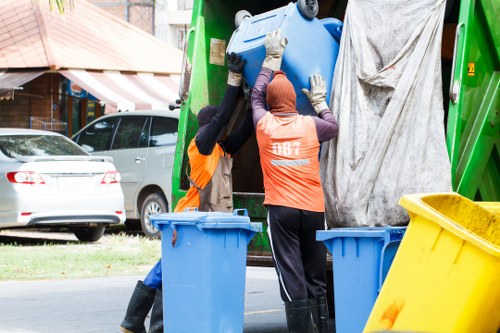 Responsibility and accountability: Senior management holds ultimate responsibility for ensuring the policy is implemented, resourced and reviewed. Supervisors and team leaders are accountable for daily compliance on-site. Employees and operatives must follow procedures, report hazards and participate in training. Contractors and sub-contractors engaged for furniture collection or disposal must meet our safety standards and are required to work collaboratively to reduce risks associated with large furniture lifts, vehicle movements and site-specific hazards.
Risk Assessment and Safe Systems of Work
Regular, documented risk assessments are central to safe furniture disposal services. Assessments identify hazards such as manual handling, use of lifting equipment, vehicle loading, sloping driveways, stairs and restricted access. Control measures include route planning, use of trolleys, sack trucks, harnesses for high-loads and two-person lifts for heavy items. All assessments are reviewed whenever operations change or when new materials (for example, items containing glass or liquids) are introduced into the waste stream.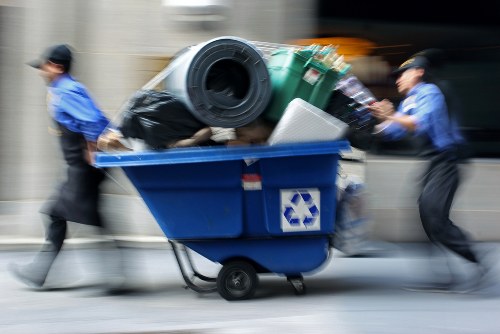
Training, Competence and PPE
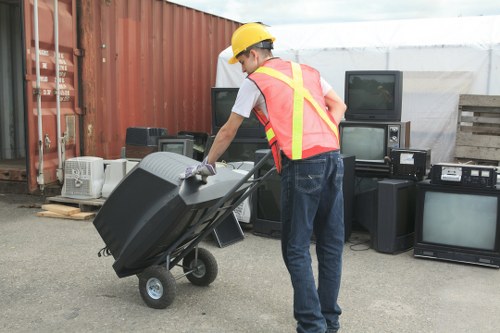
Staff undertaking London furniture disposal and clearance tasks will receive role-specific training in manual handling, safe lifting techniques, hazardous materials awareness and safe vehicle operation. Personal protective equipment (PPE) such as gloves, safety boots, hi‑vis clothing and eye protection are provided and must be used as required. Competence is monitored through observation, periodic assessments and refresher training to maintain safe working standards.Operational controls include pre-job briefings, toolbox talks and clear instructions for handling electrical appliances, upholstered items, mattresses and other potentially contaminated goods. We maintain an inventory of specialist equipment for heavy or awkward loads and require regular maintenance checks to ensure mechanical aids are safe and fit for purpose.
Emergency procedures and incident reporting are essential parts of our safety framework. All personnel must know emergency contacts, the location of first aid kits and the arrangements for medical assistance. Incidents, near misses and unsafe conditions are reported, recorded and investigated to identify root causes and to prevent recurrence. Learning from incidents is shared across teams to improve the overall safety of furniture clearance and disposal operations.
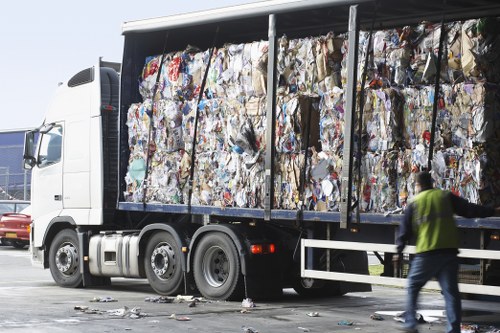 Hazardous materials and segregation: Some furniture and associated items may contain contained fluids, electronic components, batteries, or treated wood. These are segregated for specialist handling or recycling to avoid environmental contamination and health risk. We have clear procedures for identifying and isolating hazardous items and for ensuring they are moved only by trained personnel or transferred to authorised facilities that accept such materials. Appropriate labelling and containment is used to reduce exposure.
 Monitoring, review and continuous improvement: The health and safety policy for our London furniture disposal and clearance activities is reviewed at scheduled intervals and after significant operational changes. Performance is monitored using safety inspections, audits and key performance indicators such as incident rates and compliance checks. Stakeholders are encouraged to contribute suggestions for improvement. Corrective actions are implemented promptly where non-conformances are identified.
Operational expectations and commitments: We commit to maintaining safe vehicles and equipment, ensuring clear communication during collections and drop-offs, and promoting a safety-first culture across all teams. All staff are expected to take reasonable care of their own health and safety, to cooperate with safety measures, and to refuse tasks they genuinely consider unsafe until controls are put in place. Our objective is safe, responsible and professional furniture disposal and recycling in an urban environment.
Policy ownership: This document is endorsed by senior management and circulated to all employees and relevant contractors. It represents our shared commitment to health and safety in the delivery of furniture disposal services across the region. Regular updates and training ensure that safe working practices evolve in line with operational needs and industry best practice.
Summary of key controls:
- Risk assessment and site-specific method statements for complex jobs
- Safe manual handling procedures and use of mechanical aids
- Mandatory PPE and training for all operatives
- Segregation and safe handling of hazardous items
- Incident reporting, investigation and corrective action
By adhering to this policy, all parties involved in furniture removal, clearance and disposal contribute to safer operations and improved environmental outcomes. Continuous engagement, practical controls and documented procedures will ensure that our furniture disposal activities are carried out with due regard for health, safety and the environment.