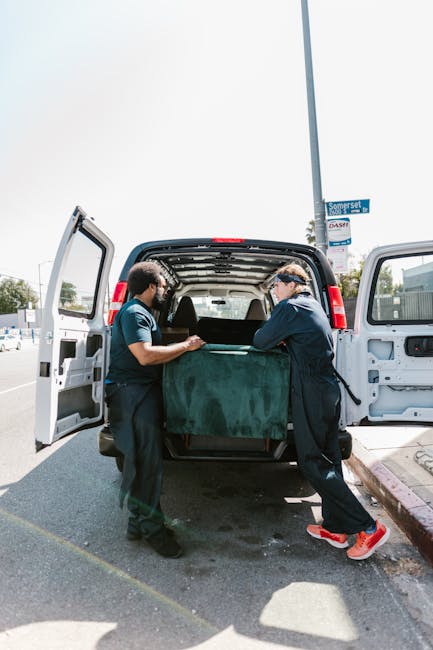
SW1 furniture removal: trusted local providers in Westminster
If you live or work in SW1, furniture removal can feel strangely difficult for something that sounds simple. One bulky sofa, a desk that has seen better days, or a full flat clearance can turn into a lift-sized puzzle, a parking headache, and a timing issue all at once. That is exactly why people look for SW1 furniture removal: trusted local providers in Westminster who understand the area, the buildings, and the practical realities of getting items out safely and on time.
Westminster is busy, tightly packed, and full of mixed property types: mansion blocks, modern apartments, period terraces, office spaces, managed estates, and homes with awkward stairwells. A good local provider does more than lift and load. They plan access, work around restrictions, handle items respectfully, and help ensure unwanted furniture is removed in a way that is lawful, efficient, and tidy. In other words, less stress for you, fewer surprises on the day, and a cleaner result at the end.
Below, you will find a practical guide to how SW1 furniture removal works, what to look for in a trusted provider, where the main risks are, and how to make a sensible choice without overpaying. If you are comparing options, a good starting point is the provider's pricing and quotes information, along with the company's insurance and safety page and recycling and sustainability commitments.
Table of Contents
- Why SW1 furniture removal in Westminster matters
- How local furniture removal works in SW1
- Key benefits and practical advantages
- Who this is for and when it makes sense
- Step-by-step guidance
- Expert tips for better results
- Common mistakes to avoid
- Tools, resources and recommendations
- Law, compliance, standards and best practice
- Options, methods, and comparison table
- Case study or real-world example
- Practical checklist
- Conclusion
- Frequently asked questions
Why SW1 furniture removal in Westminster Matters
Furniture removal in SW1 is not just about shifting an item from point A to point B. Westminster has its own rhythm. Traffic moves differently on a weekday morning than it does late in the evening. Parking can be tight. Shared entrances are common. Loading access can be limited. And let's face it, if you are on the third floor with a narrow staircase, that old wardrobe suddenly becomes everybody's problem.
That is why using a trusted local provider matters. Someone familiar with Westminster is more likely to anticipate access issues before they become delays. They will usually know the sort of logistics that can catch people out: lift restrictions in managed buildings, limited wait times, time-sensitive collections, and the simple fact that some furniture will not fit through a doorway unless it is dismantled first. It sounds obvious, but plenty of poor experiences start with poor planning.
There is also a trust angle. Furniture disposal involves entering homes and workplaces, handling personal items, and deciding what happens to the waste afterwards. A reputable provider should be transparent about how items are handled, whether they are recycled, and how safety is managed. If you want to see the sort of standards worth asking about, pages like health and safety policy and modern slavery statement can be useful indicators of how seriously a company takes responsibility, even if you never need to read every line.
Expert summary: In SW1, the best furniture removal services are rarely the loudest ones. They are the organised ones. The ones who ask the right questions up front, arrive prepared, and make a constrained job feel calm. That calm is worth paying for.
How local furniture removal works in SW1
Most furniture removal jobs in Westminster follow a similar process, though the details change depending on the type of property and the volume of items. A good provider will usually begin with a quick assessment, either from your description, photos, or a short call. From there, they estimate the crew size, vehicle type, access requirements, and any handling challenges. Simple enough in theory, but the quality of the questions they ask tells you a lot.
For a single sofa collection, the job may be straightforward. For a full flat clearance, especially in an SW1 building with limited access, it becomes much more about sequencing. Which item comes out first? Can the bed frame be broken down? Is the lift usable? Do you need to protect communal hallways? Should the crew bring extra tools? These are the kinds of practical decisions that separate a smooth removal from a frustrating one.
Many trusted providers also separate items for recycling, reuse, and disposal. That matters because not all furniture should be treated the same way. A usable dining table may be suitable for reuse; an upholstered armchair may need more careful sorting; damaged or contaminated items need different handling. If you are concerned about what happens after collection, the provider's recycling and sustainability guidance is worth checking before you book.
In a typical SW1 job, the steps look something like this:
- You share details about the furniture, location, and access.
- The provider gives a quote or estimate, sometimes after reviewing photos.
- A collection time is booked to suit the property and road access.
- The team arrives, checks the items, and confirms the plan.
- Furniture is removed carefully, with protection used where needed.
- Items are taken away for reuse, recycling, or responsible disposal.
There is no magic in it. Just good process, clear communication, and the sort of attention to detail that saves you from a chaotic corridor at 8:15 in the morning.
Key Benefits and Practical Advantages
Why do people choose a professional furniture removal service instead of trying to do it themselves? In Westminster, the answer is usually a combination of time, safety, and convenience. But there are a few deeper benefits worth spelling out.
- Less physical strain: Heavy furniture can be awkward, unstable, and far more difficult to carry than it looks.
- Better access handling: Experienced crews know how to manage stairs, lifts, and tight hallways without causing unnecessary damage.
- Cleaner outcomes: Professional removal reduces the chance of scratched walls, broken door frames, or debris left behind.
- Faster turnaround: A two-person team can often complete in minutes what might take you half a day.
- Responsible disposal: Trusted providers are more likely to sort, recycle, and document items properly.
- Less admin: You are not making multiple trips, hiring a van, finding parking, or worrying about where to take the waste.
There is also the quiet benefit of mental relief. People often underestimate this one. Once the furniture is gone, the room feels different immediately. Lighter. A bit more open. You notice the space again. That matters if you are preparing a rental property, reorganising an office, or simply reclaiming a spare room that has become storage by accident.
If you are comparing providers, it can help to look at the overall service experience rather than just the headline price. For example, a company with a clear payment and security policy and a sensible complaints procedure usually signals a more mature operation than one with no visible service standards at all.
Who This Is For and When It Makes Sense
Furniture removal in SW1 is useful for a lot of people, not just those doing a full move. In fact, many jobs are smaller and more specific than that.
You may need it if you are:
- moving out of a flat and need bulky items removed before handover
- refreshing a home office and replacing desks, chairs, or filing cabinets
- clearing a rental property between tenancies
- upgrading furniture and do not want the old pieces hanging around for weeks
- managing an estate, short-let, or serviced apartment with quick turnaround needs
- running a business in Westminster and replacing old office furniture
- dealing with an inherited property or partial clearance after a family change
It also makes sense when furniture is too large, too heavy, or too inconvenient for ordinary disposal. A broken wardrobe in a basement flat is a classic example. So is a bulky recliner in a building with no nearby parking. Could you deal with it yourself? Possibly. Would it be worth the hassle? That is another matter.
For households and landlords outside SW1 as well, local area pages such as furniture disposal in Westminster and nearby coverage like Pimlico furniture disposal or Marylebone furniture disposal can help you understand how service availability and access needs may vary across central London.
Step-by-Step Guidance
Here is a practical way to approach furniture removal in SW1 without overcomplicating it.
- List everything that needs to go. Be specific. "Old furniture" is not enough. Write down sofas, beds, wardrobes, tables, chairs, and any dismantled parts.
- Check access. Note stairs, lift size, corridor width, parking restrictions, and whether there are time limits on loading.
- Take clear photos. Include the front, sides, and any awkward angles. If the item is in a tight space, show that too.
- Ask about handling and disposal. Will the items be reused, recycled, or disposed of responsibly?
- Confirm pricing details. Make sure you understand whether the quote is fixed, estimated, or subject to inspection on arrival.
- Prepare the area. Move fragile items, clear pathways, and if needed, notify building management.
- Stay reachable on the day. Access issues happen. A quick call can save twenty minutes of awkward waiting around.
One small but important point: if the furniture is in a managed building, check any concierge or access rules before the crew arrives. A delay at reception can snowball into parking problems and missed slots. Not dramatic, just annoying. And avoidable.
Expert Tips for Better Results
After enough removals, a few habits stand out as consistently useful. These are the things that make the job smoother, faster, and less likely to go sideways.
- Send photos, not just descriptions. A "large corner sofa" can mean six different things in real life.
- Mention dismantling needs early. Some items are only removable once taken apart.
- Be honest about access. If the lift is tiny or the street is tight, say so. Nobody wins by pretending it is easy.
- Bundle items where sensible. One collection for several pieces is often cleaner than multiple separate jobs.
- Ask how the provider handles recycling. Good firms can usually explain the journey of the waste in plain English.
- Keep communal areas protected. In period properties especially, a quick hallway check can prevent accidental scuffs.
Here is the slightly unfashionable truth: the best outcome often comes from the client being organised, not just the provider being capable. Both matter. But the more detail you give at the start, the fewer surprises later. Simple.
If you are the type who wants to compare a couple of areas or service routes before booking, browsing a relevant local page like Bayswater furniture disposal or Belgravia furniture disposal can help you see how central London collections are framed across different neighbourhoods.
Common Mistakes to Avoid
Most problems with furniture removal are not dramatic. They are just preventable. And that is what makes them so frustrating.
- Underestimating size and weight: A piece that looks manageable can be awkward once you start turning corners.
- Ignoring access constraints: Tight staircases, entry codes, and parking limits should never be an afterthought.
- Choosing on price alone: The cheapest quote is not always the best value if it leads to delays or poor handling.
- Not checking insurance: Damage to walls, lifts, or furniture can become a problem if the provider is not properly covered.
- Failing to ask about disposal routes: You want to know items will be processed responsibly, not just taken away.
- Leaving decisions until collection day: Sorting what stays and what goes in real time can slow everything down.
One common mistake in Westminster is forgetting that the street outside is part of the job too. You may have the furniture ready, but if loading access is blocked by delivery traffic or a permit issue, the whole collection can unravel for no good reason.
To be fair, nobody remembers everything first time. But the more you plan, the easier the day becomes.
Tools, Resources and Recommendations
You do not need specialist equipment to prepare for a furniture collection, but a few simple tools help a lot.
- Measuring tape: Useful for checking doorways, stair turns, and lift dimensions.
- Phone camera: Clear photos save time and reduce confusion.
- Basic screwdriver or Allen key: Handy for dismantling flat-pack furniture or bed frames.
- Protective gloves: Useful if you are moving loose items before the crew arrives.
- Building access details: Entry codes, concierge instructions, and contact names should be ready.
For service planning and due diligence, the most helpful pages are usually the ones that explain how the company works rather than only what it sells. In that spirit, a read-through of pricing and quotes, payment and security, and insurance and safety can tell you a lot about the provider's operating standard.
If sustainability matters to you, ask where items go after collection and how reusable furniture is separated from general waste. A provider that discusses recycling and sustainability clearly is usually more aligned with responsible disposal practice. That is a good sign, frankly.
Law, Compliance, Standards and Best Practice
Furniture removal often sounds like a simple logistics task, but there is a compliance side too. You do not need to become an expert in waste rules, though it helps to understand the basics.
In the UK, waste must be handled responsibly and transferred to appropriate facilities or reuse routes. For a customer, the key practical question is whether the provider operates in a way that looks organised, traceable, and safe. That usually means they are clear about what they collect, how they separate waste, and what happens next. You should also expect professional behaviour around property access, manual handling, and site safety.
Best practice in SW1 furniture removal generally includes:
- clear communication before collection
- safe lifting and carrying techniques
- careful movement in shared or protected spaces
- respect for building rules and neighbours
- responsible sorting of reusable and recyclable items
- transparent payment and service terms
If a provider has documented policies such as a health and safety policy, that is reassuring. If they also provide an accessible service description and a visible accessibility statement, even better. Those documents do not solve everything, of course, but they show a basic level of professionalism and care.
One small note: if you are disposing of items from a business premises, there may be additional internal requirements, especially around records, building management, or landlord approval. That is worth checking early. Saves hassle later.
Options, Methods, and Comparison Table
There are a few ways to deal with unwanted furniture in SW1. The right choice depends on urgency, volume, access, and how much effort you want to put in yourself.
| Option | Best for | Main advantages | Main drawbacks |
|---|---|---|---|
| Professional local furniture removal | Single items, bulky pieces, flat clearances, office furniture | Fast, safer, more convenient, access handled for you | Usually costs more than doing it yourself |
| Self-removal with van hire | People with time, lifting help, and parking access | Flexible timing, potentially lower direct cost | More labour, more admin, higher risk of damage or fines |
| Reuse or donation route | Furniture in decent condition | Good environmental outcome, may suit usable items | Not suitable for damaged, stained, or urgent removals |
| Multiple council-style trips | Small volumes and people with transport | Can be manageable for a few pieces | Time-consuming, awkward for heavy items, not ideal in central London |
For most SW1 residents and businesses, the first option is the most practical. Why? Because central London logistics are often the real challenge, not the lifting itself. A good local provider solves the access problem as much as the disposal problem.
Case Study or Real-World Example
Here is a realistic example, based on the kind of job that comes up all the time in Westminster.
A resident in SW1 needs to clear a one-bedroom flat after replacing a bed, wardrobe, and sofa. The property is on an upper floor in a managed building, with a narrow service lift and limited loading space outside. The old wardrobe is too large to move in one piece, and the sofa has to be turned carefully to avoid marking the corridor.
The sensible approach is not to "wing it" on the day. Instead, the resident sends photos in advance, notes the lift size, and mentions the entry procedure. The provider plans for dismantling, brings the right tools, and arrives with enough crew to manage the lift and the hall safely. The collection is completed without drama, and the items are sorted for disposal or reuse according to condition.
Now compare that with a rushed, unplanned version. The crew arrives late, the sofa does not fit through the doorway, the building manager is unavailable, and the job stalls while people try to improvise. Nobody wants that. You can almost hear the sigh in the hallway.
That is the practical value of working with a trusted local provider in SW1. It is not just speed. It is anticipation.
Practical Checklist
Use this checklist before booking your collection.
- Have you listed every item that needs to be removed?
- Have you checked door widths, stair access, and lift size?
- Have you photographed the furniture clearly?
- Do you know whether any items need dismantling?
- Have you checked building rules, parking limits, or concierge procedures?
- Have you confirmed whether the quote is fixed or estimated?
- Have you asked what happens to reusable and recyclable items?
- Have you reviewed the provider's safety and insurance information?
- Have you prepared payment details and access instructions?
- Have you separated anything you want to keep from anything you want removed?
If you can tick most of those off, you are in a good place. Not perfect perhaps, but good enough to keep the day smooth.
Conclusion
SW1 furniture removal is one of those jobs that looks simple until you are the one standing in a narrow hallway with a heavy sofa and a clock ticking in the background. That is why trusted local providers in Westminster are so valuable. They bring planning, the right equipment, an understanding of local access issues, and a more responsible way to move furniture on from your property.
Whether you are clearing a flat, replacing office furniture, or just trying to get one stubborn piece out of the way, the best approach is the same: choose a provider that communicates clearly, handles items carefully, and shows real awareness of safety, recycling, and the local area. Westminster rewards good organisation. SW1 especially. A little planning goes a very long way here.
Get a free quote today and see how much you can save.
And if you are still weighing up the best route, take your time, compare the details, and go with the team that feels steady rather than flashy. In a place like Westminster, steady is usually the smart choice.
Frequently Asked Questions
What does furniture removal in SW1 usually include?
It usually includes collection, lifting, loading, and transport of unwanted furniture from homes or businesses in Westminster. Depending on the provider, it may also include dismantling, labour for awkward access, and sorting items for reuse or recycling.
How quickly can a SW1 furniture removal be arranged?
Timelines vary by provider and workload, but same-day or next-day collection is sometimes possible. In central Westminster, speed often depends on access, parking, and how well you can describe the job in advance.
Do I need to move the furniture outside before collection?
Usually no. A professional removal team should collect items from inside the property where access allows. That said, making the route clear and removing fragile items first will help the crew work more safely and efficiently.
How do I know if a provider is trustworthy?
Look for clear pricing, visible safety and insurance information, sensible communication, and a straightforward explanation of what happens to the furniture after collection. A proper local business should not be vague about basics.
Can furniture be reused instead of thrown away?
Yes, sometimes. If the item is in decent condition, a good provider may be able to direct it toward reuse or recycling rather than disposal. Upholstered items, damaged pieces, and contaminated furniture may need different handling.
What if my building has tight stairs or a small lift?
Say so early. That detail changes the whole plan. Many SW1 properties have access quirks, and a provider that knows Westminster will usually ask about these things before booking the collection.
Is furniture removal in Westminster expensive?
It depends on the number of items, access difficulty, labour needed, and disposal route. A single easy collection will cost less than a multi-item clearance in a building with difficult access. Comparing quotes is the safest way to judge value.
Do providers handle office furniture as well as household items?
Yes, many do. Desks, office chairs, cabinets, and reception furniture are commonly collected from business premises in SW1. It helps to note building rules, lift availability, and any timing restrictions in advance.
What should I ask before booking a collection?
Ask what is included in the quote, whether dismantling is available, how items are disposed of, whether insurance is in place, and what happens if access is more difficult than expected. Those answers tell you a lot very quickly.
Can I book furniture removal for nearby areas too?
Yes. Many providers serving Westminster also cover neighbouring central London locations. If that is relevant, area pages like Pimlico, Waterloo, or Paddington can help you compare local coverage.
What happens if I need to make a complaint?
A reputable provider should have a clear complaints process and be open about how to raise an issue. That does not mean problems happen often, just that there is a proper route if something needs to be resolved.
Do I need to worry about recycling and environmental responsibility?
It is worth asking. Responsible furniture removal should not just mean "gone by the end of the day." It should mean the provider can explain reuse, recycling, and disposal in a sensible way that matches good practice.